Side leak & reset button issues
Garbage Disposal Leaking From the Side or Reset Button (Hose & Gasket Guide)
If your garbage disposal is leaking from the side or reset button area, the problem is usually a loose hose clamp, cracked side port, or worn gasket where the drain or dishwasher hose connects. This guide walks through how to identify which side connection is leaking and how to tighten, reseal, or replace the parts.
Good news: side leaks are often easier and cheaper to fix than a garbage disposal leaking from the bottom or a failed sink flange at the top.
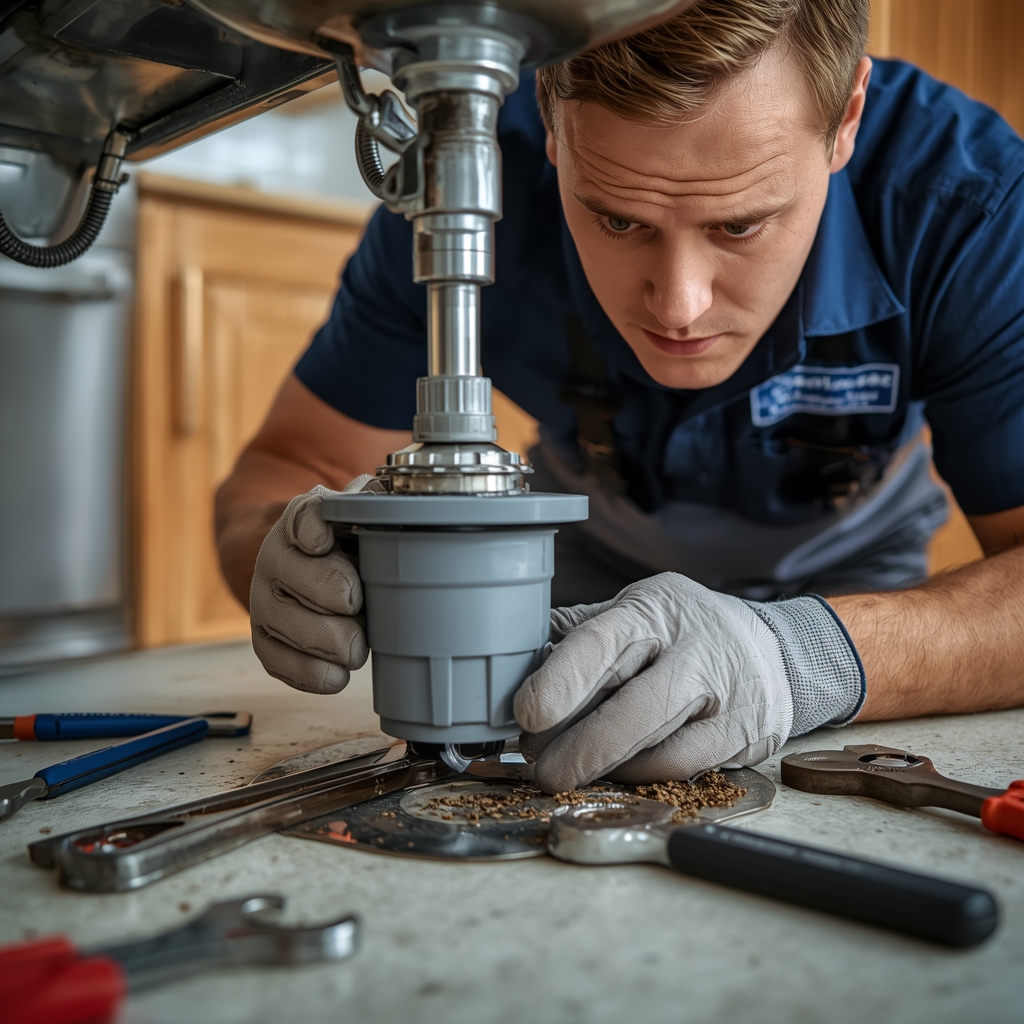
How to Tell If the Leak Is Coming From the Side or Reset Area
Before you start removing hoses, you want to confirm that the leak is really from a side port or reset button, not from the top sink flange or the very bottom of the disposal.
Common signs of a side leak
- Water drips appear on one side of the disposal housing, not directly from the bottom.
- You see moisture around the dishwasher inlet or discharge pipe connection.
- The reset button area looks damp after the disposal runs.
- Leaks show up more when the dishwasher drains or when the sink drains quickly.
Quick test to confirm source
- Dry the disposal housing and nearby pipes completely with towels.
- Place paper towels under the disposal and around each side connection point.
- Run water into the sink and turn the disposal on for a few seconds.
- Then run the dishwasher drain cycle if it’s connected. Watch which paper towel or side connection gets wet first.
The Main Side Connections That Can Leak
A garbage disposal leaking from the side or reset button usually traces back to one of three places. Understanding each connection makes it easier to fix the leak without replacing the whole unit.
- Dishwasher inlet hose: A small hose that carries discharge water from the dishwasher into the disposal. A loose clamp or brittle hose can leak here.
- Discharge pipe (drain outlet): The larger pipe that exits the side of the disposal and runs to the household drain. Its gasket or screws can loosen and seep.
- Reset button area / side casing: If water seems to come from the reset button itself, it may actually be tracking from one of the hose connections above it, or in some cases from a crack in the housing.
Step-by-Step: Tightening Hose Clamps and Side Fittings
Start with the simplest fixes: tightening hose clamps and discharge fittings. Many side leaks stop here with just a few turns of a screwdriver.
1. Shut off power and prepare the area
- Turn off the disposal at the wall switch and the breaker panel.
- Unplug it if it has a cord. Never work on a live disposal.
- Place a towel and small pan or bucket under the disposal to catch any drips.
2. Tighten the dishwasher hose clamp
- Locate the small hose connected to the upper side port of the disposal (if you have a dishwasher).
- Use a screwdriver to snug the hose clamp a quarter-turn at a time. Do not overtighten.
- Check the hose for cracks, stiffness, or splits. Replace it if it feels brittle.
3. Check and tighten the discharge pipe connection
- Find the larger discharge pipe that exits the side of the disposal and goes to the drain trap.
- If it uses a metal or plastic flange with screws, tighten each screw evenly until snug. If it uses a slip-joint nut, snug it by hand and then slightly with pliers if needed.
- Inspect the rubber gasket or slip-joint washer for cracks or flattening. Replace if worn.
4. Test your work
- Remove tools from under the sink and dry everything off again.
- Run the faucet and turn on the disposal for 15–20 seconds.
- Run the dishwasher drain cycle if it connects to the disposal.
- Watch all side connections closely to see if any fresh drips appear.
Replacing Worn Gaskets, Washers, or Hoses
If tightening doesn’t stop a garbage disposal leaking from the side, the gasket or hose may be too worn to seal properly. Replacing these parts is still cheaper than a new unit in many cases.
1. Remove the discharge pipe
- Loosen the screws or slip-joint nut that holds the discharge pipe to the disposal.
- Gently pull the pipe free and set it aside on a towel.
- Remove the old rubber gasket or washer from the outlet.
2. Install a new gasket or washer
- Match the new gasket to the old one or use a disposal-specific replacement kit.
- Seat the gasket evenly in the discharge outlet or fitting.
- Reattach the discharge pipe, tightening screws or the nut evenly until snug.
3. Replace brittle or cracked dishwasher hose
- Loosen the hose clamps at both ends of the dishwasher inlet hose.
- Remove the old hose and cut a new section of dishwasher drain hose to length.
- Slide clamps over the new hose, attach to both ports, and tighten until secure.
After replacing any parts, run another round of leak tests with both the sink and dishwasher to confirm that everything stays dry.
When a Side Leak Means It’s Time for a New Disposal
If you’ve tightened clamps, replaced gaskets, and your garbage disposal still leaks from the side or reset button, the housing itself may be cracked or corroded. At that point, replacement is usually more reliable than trying more sealant or tape.
Solid Replacement Choice: InSinkErator Badger 5 (1/2 HP)
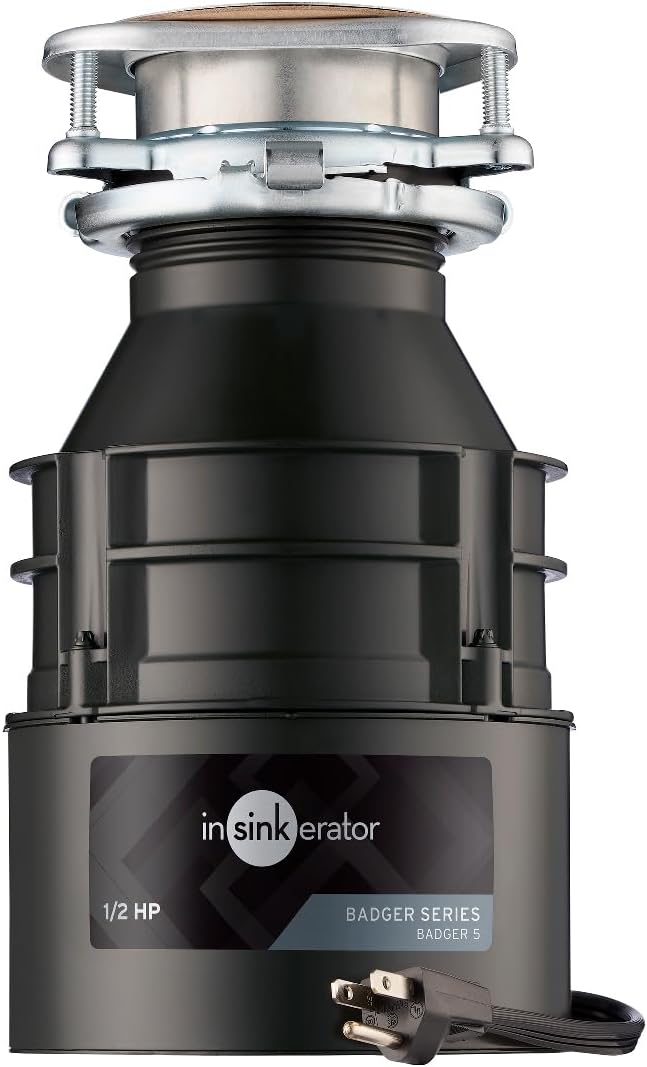
A straightforward 1/2 HP disposal that fits many existing InSinkErator mounts. It’s a common upgrade when older units develop side leaks, rusted outlets, or repeated gasket problems.
- Compatible with many standard InSinkErator mounting systems
- Enough power for typical daily kitchen use
- Often a simple swap-in for older leaking models
For more replacement ideas and a bigger comparison, you can also check the product picks on the main garbage disposal help page.
Related Leak Guides
If your testing points to a different type of leak, use one of these guides instead so you’re not chasing the wrong problem.
Quick FAQs About a Garbage Disposal Leaking From the Side
Is a side leak as serious as a bottom leak?
Side leaks can still damage cabinets and flooring, but they are often caused by loose clamps or worn gaskets that are easier to fix. Bottom leaks usually mean internal seals or the disposal housing have failed and replacement is more likely.
Can I seal a side leak with tape or caulk?
Tape or caulk might slow a drip temporarily, but they won’t fix a loose clamp, bad gasket, or cracked outlet. For a lasting repair, the leaking connection needs to be properly tightened or the worn part replaced.
Do I need a plumber for a side or reset button leak?
Many side leaks can be handled by homeowners who are comfortable tightening clamps and replacing hoses. If you’re not comfortable working under the sink, or if the disposal housing is cracked, a licensed plumber can confirm whether repair or replacement makes the most sense.