Fixing a Garbage Disposal Leaking From the Bottom (Complete Guide)
Fixing a Garbage Disposal Leaking From the Bottom (Complete Guide)
Seeing water under your sink and realizing you have a garbage disposal leaking from bottom can be stressful. The good news is that most leaks have a clear cause and a fix you can handle yourself with some basic tools and a bit of patience. This guide walks you through how to find the source of the leak, when you can repair the disposal, and when it’s safer and smarter to replace it.
Step 1: Confirm the Leak Is Really From the Bottom
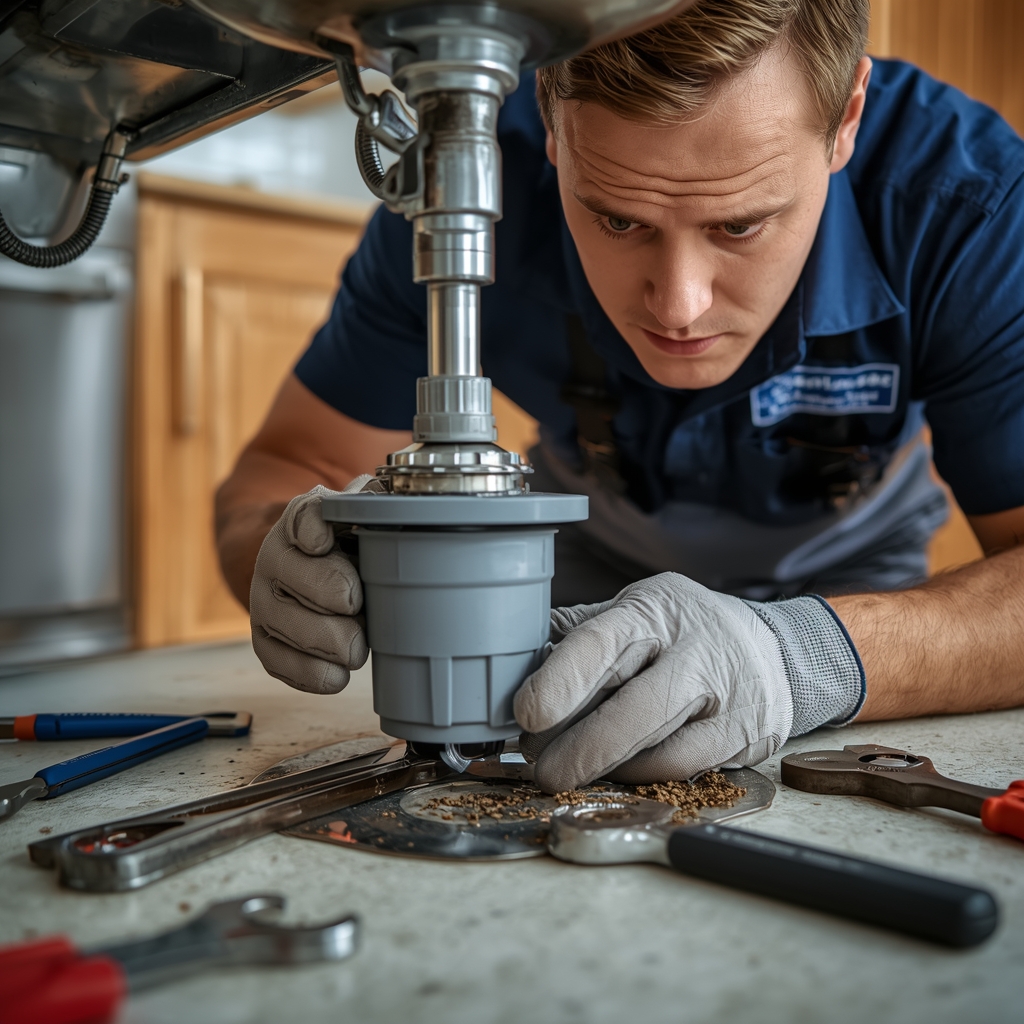
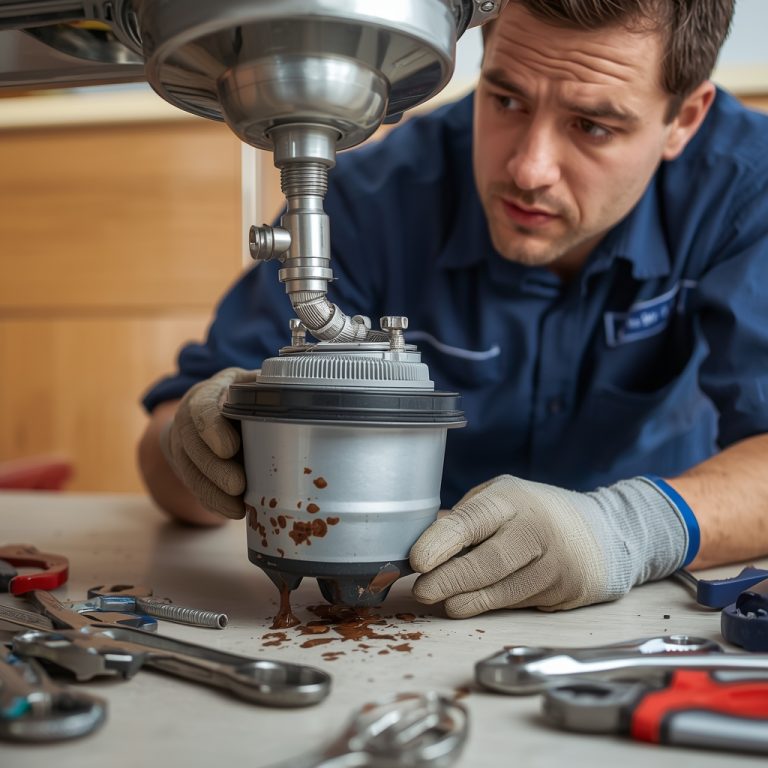
There are three common places a disposal can leak: the top (where it meets the sink), the side connections (dishwasher or drain line), and the very bottom of the unit. A genuine garbage disposal leaking from bottom usually leaves a small puddle directly under the motor housing or dripping off the underside of the unit.
How to test where the water is coming from
- Dry the outside of the disposal with a towel so you’re starting from zero moisture.
- Put a dry paper towel or rag directly under the disposal housing.
- Run a slow stream of water into the sink with the disposal off.
- Check around the top, the side connections, and then the very bottom of the unit.
For more kitchen repair guides, visit our home maintenance section.
If you only see water collecting on the paper towel or dripping from the bottom plate, you’re dealing with a garbage disposal leaking from bottom rather than a loose sink flange or drain connection.
Common Causes of a Garbage Disposal Leaking From Bottom
Once you’ve confirmed the leak is truly at the bottom, the cause is usually inside the disposal body itself. These are the most common reasons a garbage disposal starts leaking from bottom:
- Worn internal seals or gaskets – Rubber seals inside the housing can dry out, crack, or shift over time.
- Corrosion in the grinding chamber or shell – Older units may rust through from the inside out.
- Cracks from impact – Dropping a heavy item on the disposal or improper installation can stress the housing.
- Long-term vibration – Years of use can loosen internal components and allow small gaps to open.
Unfortunately, once a garbage disposal leaking from bottom reaches this stage, internal repairs are usually temporary at best. That’s why many manufacturers recommend replacing the unit when leaks are coming from the bottom housing instead of from a hose or flange.
Step 2: Decide Whether to Repair or Replace
Before you rush to buy a new disposal, it helps to look at the age, condition, and warranty. In some cases, a small adjustment or tightening can buy you more time. In others, replacement is the safest option.
When a repair might be worth trying
- The disposal is less than five years old.
- The leak is slow and only shows up under heavy use.
- You notice water seeping around a removable bottom plate that can be tightened.
- You can see corrosion starting, but the housing is not yet visibly cracked.
When replacement is usually the better call
- The unit is older than seven to ten years.
- Rust and corrosion are heavy on the outside of the housing.
- Water streams steadily from the bottom whenever you run water or the disposal.
- You’ve already tried tightening screws and the leak quickly returns.
If you decide to replace the unit, most homeowners can swap in a similar model using basic tools. For a deeper explainer on replacement steps, you can review general instructions from resources like Family Handyman before you start.
Step 3: How to Work Safely Around a Leaking Disposal
Even while you are troubleshooting a garbage disposal leaking from bottom, you need to keep things safe under the sink. Water and electricity never mix well.
- Turn off power to the disposal at the wall switch and, ideally, the breaker.
- Unplug the power cord if your disposal uses a standard outlet under the sink.
- Place a small container or tray under the disposal to catch drips while you test.
- Keep electrical cords, power strips, and cleaning supplies out of the drip zone.
Once the area is dry and safe, you can more confidently decide whether to patch, monitor, or replace the disposal.
Step 4: Replacing a Garbage Disposal Leaking From Bottom
If you’ve determined that your garbage disposal leaking from bottom needs to be replaced, swapping it out is mostly a matter of disconnecting and reconnecting hardware in the same order.
Basic replacement steps
- Turn off power, unplug the disposal, and disconnect the drain and dishwasher hoses.
- Unlock the mounting ring that holds the disposal to the sink flange and lower the old unit.
- Install the new disposal following the manufacturer’s directions, reusing the existing sink flange if it’s in good shape or replacing it if needed.
- Reconnect the drain line and dishwasher hose, then plug the new unit in.
- Run water and test for leaks at the top, sides, and bottom before using it normally.
If you’re not comfortable with electrical connections or working under a tight sink space, hiring a plumber or handyman for the install is a completely reasonable choice.
How to Prevent Future Leaks From the Bottom
A little prevention goes a long way. Once you’ve repaired or replaced a garbage disposal leaking from bottom, a few habits can help your next unit last longer.
- Avoid grinding bones, fruit pits, metal, or anything the manual warns against.
- Run cold water before, during, and after using the disposal to keep things moving.
- Every few weeks, grind a few ice cubes to help knock debris off the grinding chamber.
- Check under the sink occasionally for early signs of moisture or rust.
These small steps help reduce strain on seals and internal parts so they’re less likely to fail and leak from the bottom later on.
FAQs About a Garbage Disposal Leaking From Bottom
Can I seal a garbage disposal leak with silicone or tape?
Is it safe to keep using a leaking disposal?
Will my home warranty cover a leaking garbage disposal?
For more help, check out our guide on garbage disposal won’t turn on so you can quickly diagnose power issues as well.
Final Thoughts
A garbage disposal leaking from bottom is annoying, but it doesn’t have to wreck your cabinets or budget. Take a few minutes to confirm exactly where the leak is coming from, decide whether repair or replacement makes the most sense, and then move forward with a safer, drier setup under the sink.